
lidarkinesis
Human-First CTI: Track, Validate, Operationalize
Turn noisy feeds into decisions your security program can live with.

lidarkinesis
Turn noisy feeds into decisions your security program can live with.
AI
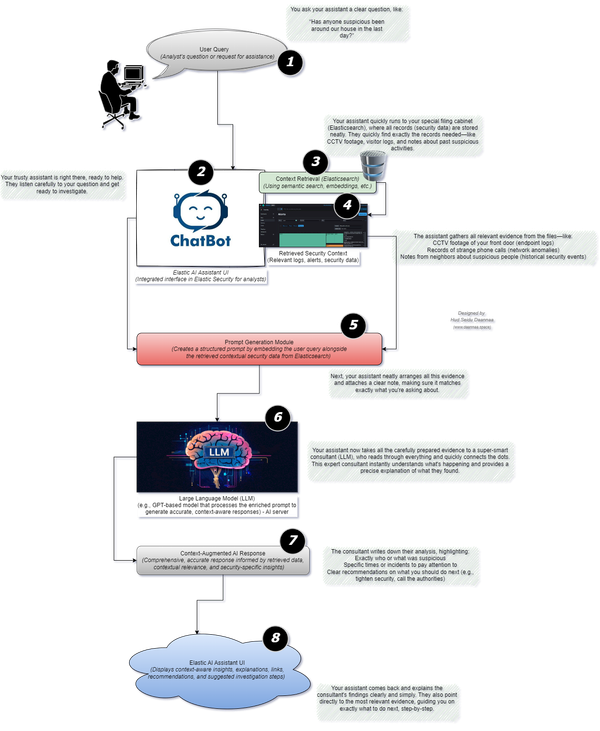
Security analysts often must sift through massive volumes of logs, alerts and telemetry data. Identifying anomalies such as stealthy intrusions, lateral movement or data exfiltration can be time-consuming and error prone

AI
A structured cybersecurity reporting framework—linking assets, threats, CVEs, alerts, and incidents—empowers proactive threat management. By correlating data, it enhances situational awareness, incident response, and lays the foundation for AI-driven cybersecurity.
CTI
Cyber Threat Intelligence (CTI) is essential in security operations, providing real-time insights on emerging threats. By integrating CTI, organizations enhance threat detection, reduce false positives, and align defenses with evolving adversary tactics.

CTI
This framework shows how CTI enhances security by aligning with business objectives. It covers governance, asset categorization, and SOC operations, enabling proactive threat response through strategic, operational, and tactical intelligence.

threats
In modern security operations, the synergy of human expertise and machine automation is key. Machines provide speed and efficiency, processing vast data in real-time, while humans offer strategic oversight and critical thinking, ensuring proactive and aligned security measures.