Agentic AI
The AI Operating System for Your Organization
An intelligent AI harness that connects your tools, files, agents, and workflows—helping every user work, search, learn, and automate using natural language.
Agentic AI
An intelligent AI harness that connects your tools, files, agents, and workflows—helping every user work, search, learn, and automate using natural language.
AI
Cybersecurity has produced an enormous amount of intelligence over the years: reports, CVE advisories, blog posts, breach disclosures, incidents, and vendor threat research. Every week, hundreds of new documents appear describing attacks, malware campaigns, vulnerabilities, and threat actors.
AI
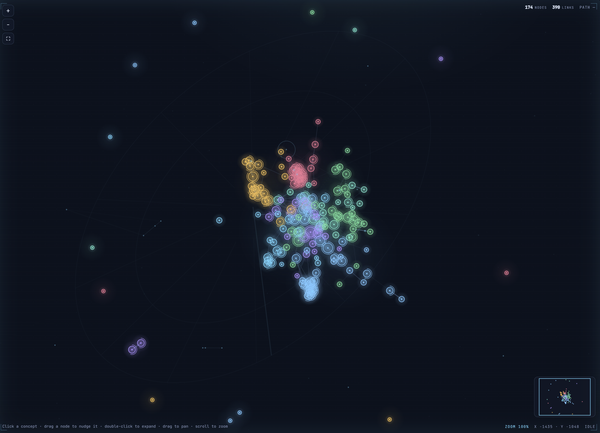
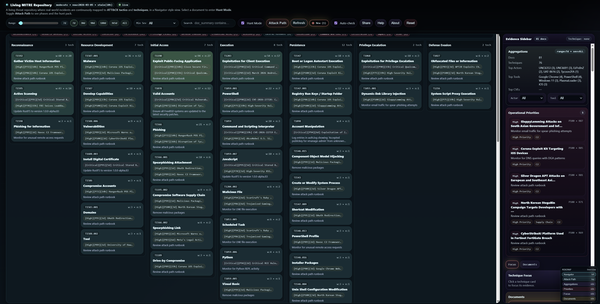
brings three things together in one place: the report library (Documents), the ATT&CK map (Navigator), and the actions/workflow (Attack Path + Hunt Pack). Once you know what each area is for, it becomes much easier to use ...
AI
Most threat intel platforms tell you what’s happening in the world. Threat Library tells you what’s happening to your products and then uses AI to convert that intelligence into actionable decisions for Blue Teams, Red Teams, and leadership.
CTI
The diagram below explains a mature, real-world cybersecurity program where decisions are driven by business goals, risk, and intelligence, not by technology alone
lidarkinesis
Every day, businesses are targeted by criminals, but these criminals are digital. They don’t break doors; they break systems. And they don’t usually attack in one move. They take steps: find a weakness, test access, move quietly, then reach something valuable like data, money, or operations.
AI
The fundamentals of cybersecurity are about protecting an organization’s assets from threat actors who use tools and exploits to execute tactics, techniques, and procedures (TTPs) that produce malicious outcomes, such as unauthorized access, disruption, fraud, or data theft.
An intelligent AI harness that connects your tools, files, agents, and workflows—helping every user work, search, learn, and automate using natural language.
Today’s cyber landscape, organizations aren’t short of data, they’re drowning in it. What leaders really need is trusted intelligence: knowledge that is validated, contextual, and actionable
Turn noisy feeds into decisions your security program can live with.
Amid noisy feeds and slow updates, analysts fall behind while execs see risk differently. LIDAR Kinesis centers the human: it collects intel, validates it, maps behaviors, and turns raw data into clear lessons, so analysts learn faster, leaders act, and tools run on verified CTI.
Rabitanoor
Today’s cyber landscape, organizations aren’t short of data, they’re drowning in it. What leaders really need is trusted intelligence: knowledge that is validated, contextual, and actionable
Turn noisy feeds into decisions your security program can live with.
Amid noisy feeds and slow updates, analysts fall behind while execs see risk differently. LIDAR Kinesis centers the human: it collects intel, validates it, maps behaviors, and turns raw data into clear lessons, so analysts learn faster, leaders act, and tools run on verified CTI.
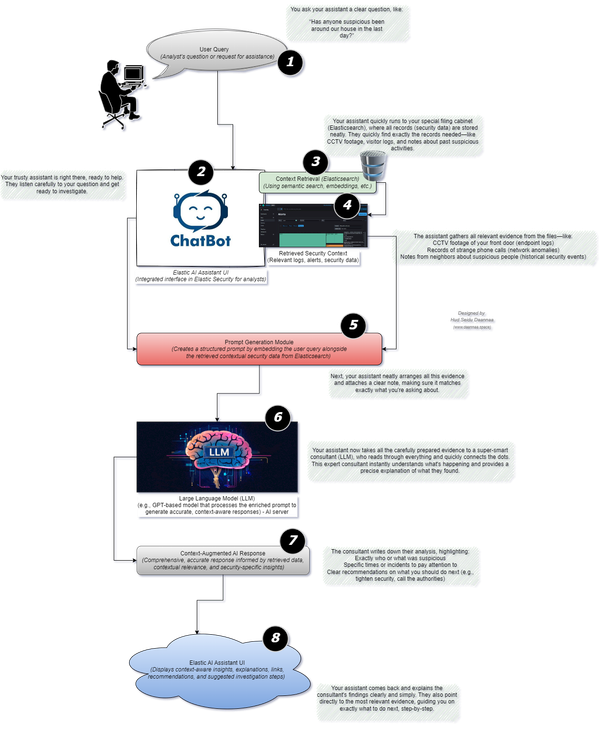
Security analysts often must sift through massive volumes of logs, alerts and telemetry data. Identifying anomalies such as stealthy intrusions, lateral movement or data exfiltration can be time-consuming and error prone
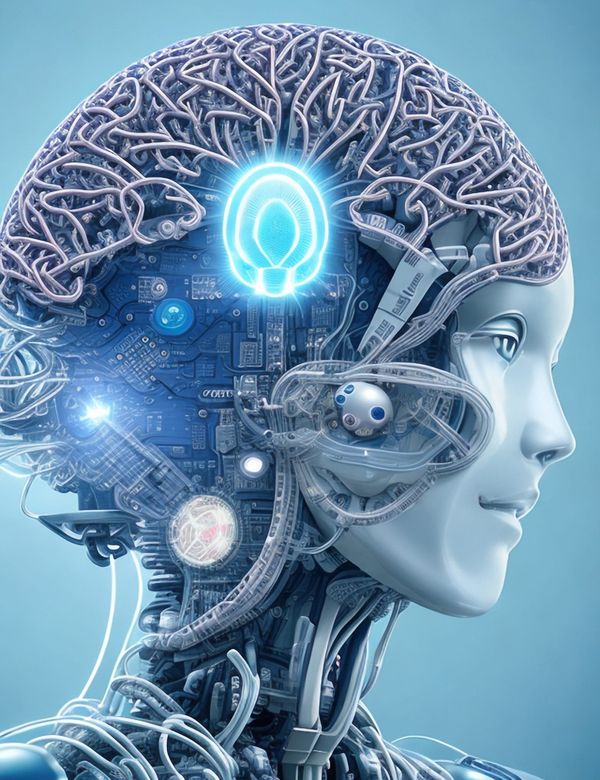
As smart devices quietly harvest our data, we risk losing control in an AI-driven world. Will technology propel us toward a future where humans evolve into humanoid robots, replacing broken parts like machinery? The choices we make today shape our tomorrow.
As brain-computer interfaces and AI advance, the idea of downloading thoughts into computers blurs the line between human and machine. Could this lead to digital immortality, where humanoid robots inherit our consciousness? The quest for eternal life might soon be within reach.
A structured cybersecurity reporting framework—linking assets, threats, CVEs, alerts, and incidents—empowers proactive threat management. By correlating data, it enhances situational awareness, incident response, and lays the foundation for AI-driven cybersecurity.
Cyber Threat Intelligence (CTI) is essential in security operations, providing real-time insights on emerging threats. By integrating CTI, organizations enhance threat detection, reduce false positives, and align defenses with evolving adversary tactics.
Learn how cybersecurity analysts can use the cyber kill chain, Indicators of Compromise (IOCs), and AI to dissect attacks, recognize patterns, and create robust detection mechanisms, enhancing defenses against evolving threats.
AI tools like ChatGPT are transforming search, offering direct answers and intuitive conversations beyond traditional link-based results. As it gains traction, mastering ChatGPT may be essential, redefining how we find information in an AI-driven world
In the near future, with advances in VR and AI, we might spend as much time in virtual reality as we do on screens today. This could allow us to recreate the deceased, blurring the lines between virtual and real life, raising deep ethical and existential questions.
This framework shows how CTI enhances security by aligning with business objectives. It covers governance, asset categorization, and SOC operations, enabling proactive threat response through strategic, operational, and tactical intelligence.