The Quest for Immortality: Could Brain-Computer Interfaces, AI, and Humanoids Lead Us to an Eternal Existence?
As brain-computer interfaces and AI advance, the idea of downloading thoughts into computers blurs the line between human and machine. Could this lead to digital immortality, where humanoid robots inherit our consciousness? The quest for eternal life might soon be within reach.

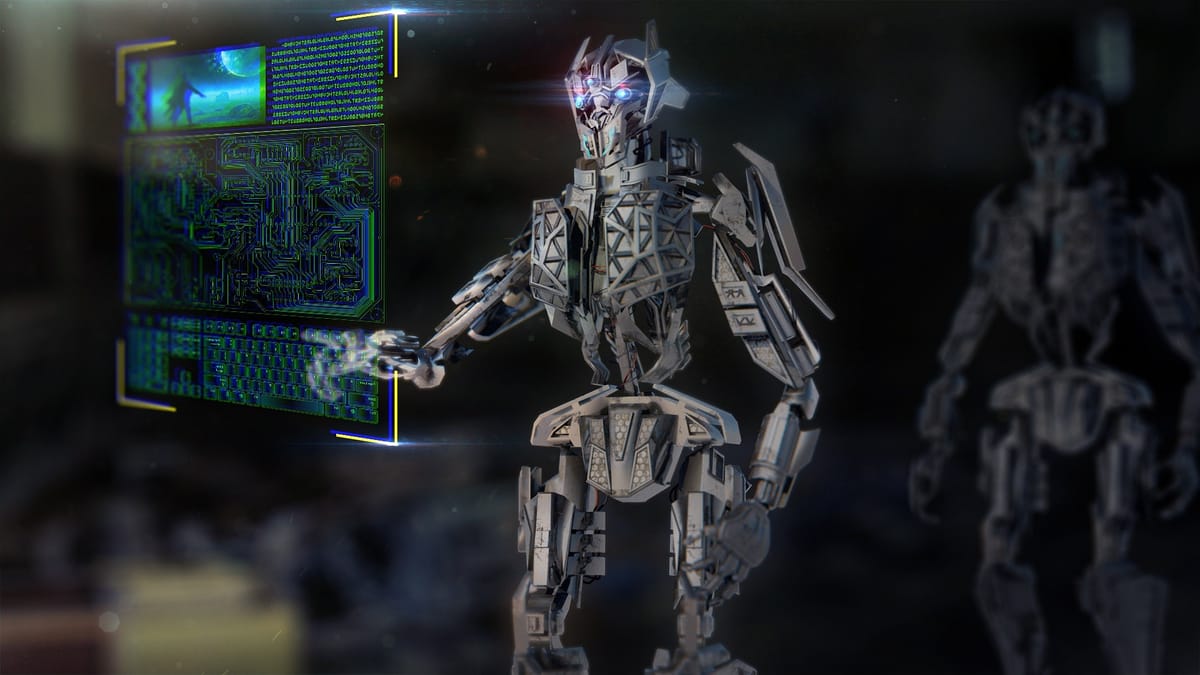
In the ever-evolving landscape of technology, the concept of merging human consciousness with machines has long been a subject of both fascination and fear. From science fiction to cutting-edge research, the idea that one day we might be able to download our thoughts, memories, or even entire fragments of our brain into a computer has captivated imaginations across the globe. With the rise of brain-computer interfaces (BCIs) like Neuralink and the rapid advancement of artificial intelligence (AI), this once-distant dream is slowly inching toward the realm of possibility. But what does this mean for humanity? Could we be on the verge of achieving immortality through technology? This article delves into the potential future where the fusion of human cognition and AI could redefine our very existence.
Brain-Computer Interfaces: A Glimpse into the Future
Neuralink, a company founded by Elon Musk, is at the forefront of BCI technology. The goal of BCIs is to create a direct communication pathway between the human brain and external devices, allowing for the exchange of data in real-time. While the current focus is on medical applications, such as restoring mobility to paralyzed individuals or treating neurological disorders, the potential applications extend far beyond these initial goals. BCIs have shown great prospects as real-time bidirectional links between living brains and actuators, with AI enhancing the analysis and decoding of neural activity [1][2][3].
Imagine a future where BCIs have advanced to the point where memories, thoughts, and even fragments of the brain can be downloaded into a computer. This would involve capturing the complex neural patterns that encode our experiences and translating them into digital data. While this may sound like science fiction, the rapid progress in neuroscience, AI, and machine learning suggests that such a future might not be as far off as we think.
Downloading the Mind: The Path to Digital Immortality
If we were able to download memories or thoughts into a computer, the implications would be profound. Not only could this technology be used for medical purposes, such as preserving the cognitive abilities of individuals with degenerative diseases, but it could also open the door to a new form of existence—digital immortality. By capturing and storing the essence of a person's mind, we could potentially create digital replicas that retain aspects of their personality, knowledge, and experiences. These digital copies could be used to train AI models, imbuing them with human-like qualities that go beyond mere data processing [4][5][6].
The Rise of Humanoid Robots: A New Era of Existence
Humanoid robots are still in their early stages of development, but the idea of creating machines that resemble and behave like humans is a powerful one. With AI's rapid growth, it is not difficult to envision a future where humanoid robots are not only capable of performing complex tasks but also exhibit human-like emotions, thoughts, and behaviors. If these robots were trained using brain data from real people, they could theoretically inherit certain aspects of those individuals. Imagine a robot that possesses the memories, skills, and personality traits of a loved one who has passed away. This could offer a form of digital resurrection, where the essence of a person lives on through a machine [7][8].
The Road to Immortality: Can Technology Defeat Death?
One of the most intriguing aspects of this technology is its potential to achieve immortality. Humanoid robots, unlike human bodies, can be repaired and upgraded indefinitely. Components can be replaced, software can be updated, and hardware can be improved. In theory, this could allow a person's consciousness, once transferred to a machine, to exist indefinitely. This raises profound ethical and philosophical questions. If a robot can be infused with the consciousness and memories of a human, does that make it a continuation of the original person? Or is it merely a sophisticated imitation? And if we can achieve immortality through machines, what does that mean for our understanding of life and death?
The Ethical Implications: Navigating the Moral Maze
The idea of achieving immortality through technology is both thrilling and terrifying. On the one hand, it offers the possibility of preserving human knowledge, experience, and consciousness in a way that was previously unimaginable. On the other hand, it challenges our fundamental understanding of what it means to be human. There are also significant ethical concerns to consider. Who would have access to this technology? Could it be misused to create digital copies of individuals without their consent? And what would happen if these digital copies were used for purposes that the original person would not have approved of?
Moreover, the idea of replacing human beings with machines raises questions about the value of human life. If a robot can be programmed to think and feel like a human, does that diminish the uniqueness and worth of the original person? And what are the implications for society if we prioritize technological immortality over the natural human experience?
The Role of AI: Shaping the Future of Humanity
AI plays a crucial role in this potential future. Large Language Models (LLMs) and other AI technologies are already being used to process and analyze vast amounts of data, including human language, behavior, and decision-making patterns. As these models become more sophisticated, they could be used to enhance the capabilities of humanoid robots, allowing them to interact with the world in increasingly human-like ways. However, the integration of AI with human brain data also presents significant risks. AI systems could potentially be trained to manipulate or control individuals by exploiting their cognitive patterns. There is also the danger of creating AI that is too powerful, leading to scenarios where machines surpass human intelligence and autonomy .
Conclusion: The Future of Immortality
The idea of achieving immortality through technology is a tantalizing one, but it is also fraught with challenges and uncertainties. While the potential for brain-computer interfaces, AI, and humanoid robots to redefine our existence is immense, we must approach these advancements with caution and careful consideration of the ethical implications. As we continue to explore the possibilities of merging human consciousness with machines, we must ask ourselves what it truly means to be human and whether immortality is something we should strive for. The future may hold the key to eternal life, but it is up to us to decide how we will use it.
In the end, the quest for immortality may not be about escaping death, but about understanding and preserving the essence of what makes us human in a world that is rapidly changing. Whether through technology or other means, the pursuit of eternal life will continue to be one of humanity's greatest challenges—and one of its greatest opportunities.
References
[1] https://www.nature.com/articles/s41599-023-02419-x
[2] https://bmcmedethics.biomedcentral.com/articles/10.1186/s12910-017-0220-y
[3] https://richtopia.com/emerging-technologies/ai-and-ethics-the-impacts-of-brain-computer-interfaces/
[4] https://jfsdigital.org/articles-and-essays/2021-2/vol-26-no-2-december-2021/brain-computer-interfaces-a-new-existential-risk-factor/
[5] https://link.springer.com/article/10.1007/s43681-020-00036-x
[6] https://atm.amegroups.org/article/view/33229/html
[7] https://fpf.org/blog/brain-computer-interfaces-privacy-and-ethical-considerations-for-the-connected-mind/
[8] https://www.ncbi.nlm.nih.gov/pmc/articles/PMC7327323/