Understanding Lidar Kinesis
Every day, businesses are targeted by criminals, but these criminals are digital. They don’t break doors; they break systems. And they don’t usually attack in one move. They take steps: find a weakness, test access, move quietly, then reach something valuable like data, money, or operations.


Lidar Kinesis is easiest to understand if you think of cybersecurity like crime prevention.
Every day, businesses are targeted by criminals, but these criminals are digital. They don’t break doors; they break systems. And they don’t usually attack in one move. They take steps: find a weakness, test access, move quietly, then reach something valuable like data, money, or operations.
Most security tools are like alarm systems:
- they beep when something looks suspicious,
- they generate lots of notifications,
- they show dashboards.
That’s helpful, but alarms don’t answer the questions people actually need:
- What is really happening?
- Is this serious or just noise?
- How did they get in?
- What exactly did they touch?
- What do we do right now?
- How do we prevent it next time?
That’s what Lidar Kinesis does.
What Lidar Kinesis is
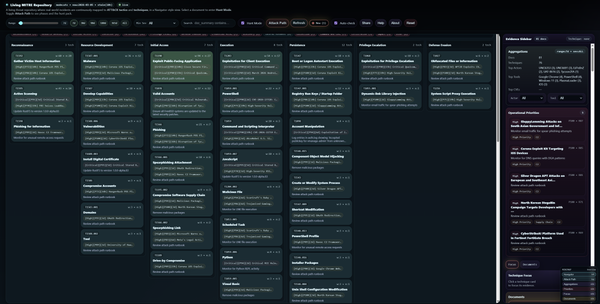
Lidar Kinesis is a “threat intelligence translator.”
It takes messy, technical cyber information and turns it into a clear story that humans can understand and act on.
What it produces
Instead of dumping raw data, Lidar Kinesis explains threats like this:
- A step-by-step timeline of what the attacker did (like CCTV playback)
- Why it matters to your organization (what’s at risk)
- What weakness was used (the “open window” they exploited)
- What to do next (clear actions, not just alerts)
- What to improve so it doesn’t happen again (lessons learned)
Why it’s different from “normal” CTI tools
Many CTI platforms are built mainly to collect feeds and automate alerts.
Lidar Kinesis is built to also teach the humans:
- analysts learn faster,
- managers understand risk better,
- decisions become smarter, not just faster.
“Lidar Kinesis turns cyber threat noise into an understandable story, what happened, how it happened, why it matters, and what to do next.”
Real-world analogy
If cyber threats are like storms:
- most tools are weather sensors (they detect rain)
- Lidar Kinesis is the meteorologist (it explains the storm and tells you what actions to take)
 Hud Seidu Daannaa
About Lidar kinesis